How Long Does a Bathroom Renovation Take?
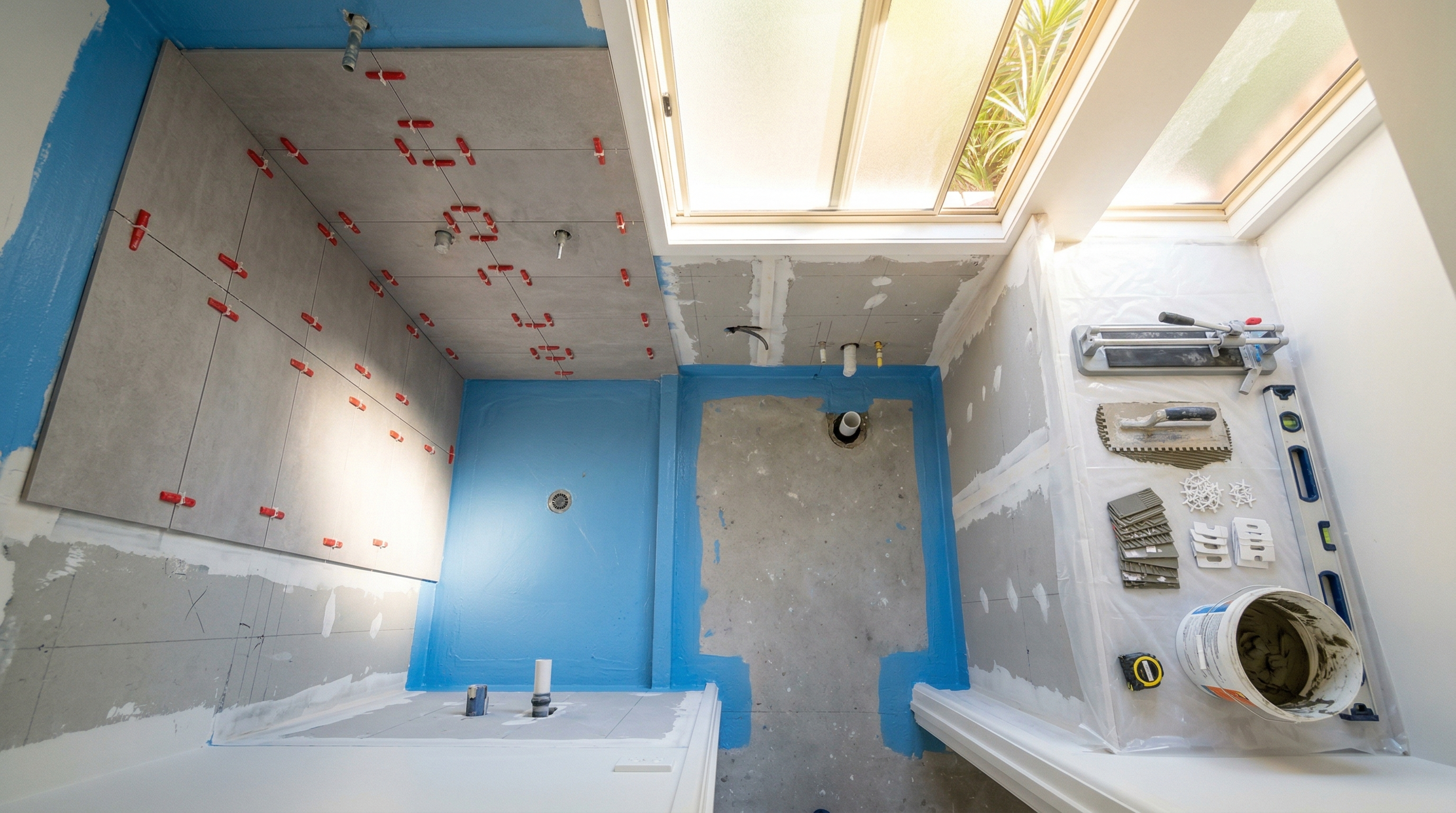
Realistic Timelines for a Bathroom Renovation in Queensland
“How long will this take?” is the second question every Queensland homeowner asks after “how much will it cost?” The answer depends on the scope of work, the condition of the existing bathroom, trade availability in your area, and whether Queensland’s weather cooperates during the waterproofing phase. Vague answers like “a few weeks” are not helpful when you need to arrange alternative bathing facilities, coordinate time off work for access, or plan around school holidays. This guide provides specific, week-by-week timelines for different renovation scopes, identifies the most common causes of delays, and explains what you can do before and during the project to keep things on track.
Timeline by Renovation Type
Not every bathroom renovation takes the same amount of time. The scope of work determines the baseline duration, and variables like plumbing relocations, weather, and material lead times add or subtract from that baseline.
Cosmetic refresh (3 to 7 days)
A cosmetic renovation keeps the existing tiles, waterproofing, and plumbing positions. Work includes removing and replacing the vanity, toilet, tapware, shower screen, mirror, and accessories. Painting walls and ceiling if tiles only cover the lower portion. No demolition, no tiling, no waterproofing.
This is the fastest turnaround because it skips the two most time-consuming phases: waterproofing curing and tiling. A skilled renovator with all materials on hand can complete a cosmetic refresh in 3 to 5 working days. Allow 7 days if painting is included (drying time between coats).
Standard renovation (2 to 3 weeks)
The most common scope for Queensland homeowners. Full demolition of the existing bathroom, new waterproofing to AS 3740, new floor and wall tiling, and all new fixtures installed within the existing plumbing layout. This is what most people mean when they say “bathroom renovation” and what most complete bathroom renovation contractors quote for.
Two to three weeks is the realistic working timeline, assuming no major surprises during demolition and no extended weather delays during waterproofing.
Full renovation with layout changes (3 to 5 weeks)
When the renovation involves moving the toilet, relocating the shower, adding a bath where none existed, or modifying wall positions, the timeline extends. Plumbing relocations require additional rough-in work and, in slab-on-ground homes, concrete cutting and re-pouring. Structural wall modifications need engineering approval and carpentry. Additional waterproofing area may be required around relocated fixtures.
Three to five weeks accounts for the extra plumbing, structural, and inspection stages. Complex projects (such as combining two small rooms into one larger bathroom) may take 5 to 6 weeks.
Multi-bathroom renovation (4 to 8 weeks)
Renovating two or three bathrooms simultaneously is more efficient than doing them sequentially because trades can move between rooms on the same visit. A two-bathroom project typically takes 4 to 6 weeks rather than doubling the single-bathroom timeline. Three bathrooms run 6 to 8 weeks. The limiting factor is usually the tiler, as tiling is the most time-intensive single phase.
Week-by-Week Breakdown: Standard Bathroom Renovation
Here is what happens during each phase of a standard Queensland bathroom renovation, and how long each stage typically takes.
Days 1 to 2: Demolition
The existing bathroom is stripped back to the wall framing and floor substrate. Tiles, waterproofing membrane, vanity, toilet, shower screen, and old fixtures are removed. Waste is loaded into a skip bin or trailer. In older Queensland homes (pre-1990), the demolition crew should test for asbestos before cutting or breaking any sheeting material. If asbestos is found in wall linings, floor tiles, or adhesive, licensed asbestos removal adds 1 to 3 days and $1,500 to $3,000 to the project.
Demolition typically takes 1 to 2 days for a standard bathroom. Larger bathrooms or those with complex tiling (such as multiple layers of tiles glued over each other) take longer.
Days 3 to 4: Plumbing and electrical rough-in
The plumber installs new water supply lines, repositions tap connections if needed, and prepares drainage for the new fixture layout. The electrician runs new wiring for lighting, exhaust fan, heated towel rail, and power points. If the existing plumbing and wiring positions are being retained, this phase takes 1 to 2 days. Relocations add 1 to 2 additional days.
In Queenslander homes on stumps, plumbing rough-in is often faster because the plumber can access pipes from underneath the house. Slab-on-ground homes (common in newer Brisbane, Gold Coast, and Sunshine Coast estates) require cutting into the concrete to relocate drain lines, which adds a full day of work plus concrete curing time.
Days 5 to 6: Carpentry and substrate preparation
The carpenter repairs or replaces any damaged wall framing (termite damage and water rot are common findings in Queensland bathrooms), installs new wall sheeting (typically villaboard or fibre cement for wet areas), and builds any shower niches or hob structures. The substrate must be flat, stable, and suitable to receive the waterproofing membrane.
This phase takes 1 to 2 days. If significant framing damage is discovered during demolition (a common occurrence in older homes where a previous waterproofing failure has allowed moisture into the timber), carpentry repairs can extend to 3 to 4 days and represent a significant unplanned cost.
Days 7 to 10: Waterproofing
Waterproofing is the phase most affected by Queensland’s climate. The waterproofer applies a primer coat, then two coats of liquid membrane to the shower area (floor and walls to 1,800mm), the full bathroom floor (with a 100mm wall turn-up), and any bath surrounds. Each coat must cure before the next is applied, and the final coat must cure fully before tiling.
In ideal conditions (warm, dry, low humidity), waterproofing takes 2 to 3 days including curing. During Queensland’s wet season (November to April), high humidity and afternoon storms can extend curing times by 24 to 48 hours per coat. A waterproofing phase that takes 3 days in July might take 5 to 6 days in February.
The waterproofer or a building certifier inspects the completed membrane and issues a compliance certificate before tiling proceeds. Never allow a renovator to skip the inspection or tile over uncured membrane to “make up time.” For more on waterproofing requirements, see our AS 3740 waterproofing guide.
Days 11 to 15: Tiling
Tiling is usually the longest single phase. The tiler lays floor tiles first (with correct fall toward the floor waste), then wall tiles, then any feature areas such as shower niches. Grouting follows once the tile adhesive has set (typically 24 hours). Grout then needs its own curing period before the bathroom can get wet.
A standard bathroom with 300×600mm porcelain tiles takes 3 to 5 days to tile and grout. Variables that extend tiling time include large-format tiles (heavier, slower to handle), intricate patterns (herringbone, chevron), mosaic shower floors, multiple niche recesses, and natural stone tiles that require sealing. A bathroom tiling specialist can provide a time estimate based on your specific tile selection and layout.
Days 16 to 18: Fixture installation and finishing
The plumber returns for “fix-out,” installing the toilet, vanity, tapware, shower mixer, and connecting all drainage. The electrician completes their fix-out: light fittings, exhaust fan, heated towel rail, power points, and any mirror lighting. The shower screen is measured, fabricated (if custom), and installed. Silicone is applied to all junctions between fixtures and tiles. Final accessories (towel rails, robe hooks, toilet roll holder, soap dishes) are mounted.
This phase takes 2 to 3 days. If the shower screen requires custom fabrication (common for frameless glass screens), there may be a 5 to 10 day wait between measurement and installation. Ordering the screen early in the project, or even before demolition begins, eliminates this gap.
Day 19 to 20: Final clean and handover
A thorough construction clean removes grout haze, dust, silicone residue, and protective films from fixtures. The renovator walks through the completed bathroom with you, noting any defects or touch-ups needed. Minor items (a scratched fitting, a small grout gap, a paint touch-up) are rectified before final handover.
The Five Most Common Causes of Delay
Understanding these delay risks helps you plan proactively and discuss contingencies with your renovator before work begins.
1. Material lead times
Tiles, vanities, and shower screens are frequently back-ordered or out of stock. Imported tiles from Italy, Spain, or Asia can take 6 to 12 weeks to arrive after ordering. Frameless glass shower screens typically require 5 to 10 business days for fabrication after on-site measurement, which can only happen once tiling is complete.
Prevention: Select and order all materials (especially tiles, vanity, toilet, tapware, and shower screen) at least 4 to 6 weeks before the scheduled start date. Confirm stock availability with the supplier before paying a deposit. If your preferred tile is on a 10-week lead time, either wait or choose an alternative that is available now.
2. Weather during waterproofing
Queensland’s wet season delivers afternoon thunderstorms, extended rain periods, and sustained high humidity that slows membrane curing. If the bathroom has a window or skylight that cannot be fully sealed during waterproofing, rain can contaminate the uncured membrane, requiring partial reapplication.
Prevention: Where possible, schedule your renovation during the drier months (May to October). If renovating during wet season, discuss the waterproofing timeline with your contractor and build 3 to 5 extra days into the overall schedule as a buffer. Ensure the bathroom can be fully enclosed during membrane curing.
3. Unexpected structural damage
Removing old tiles and waterproofing sometimes reveals termite damage, water-rotted framing, or corroded plumbing that was hidden behind the finished surfaces. This is especially common in Queensland homes over 20 years old, where minor leaks may have persisted undetected for years in the warm, humid climate.
Prevention: You cannot fully prevent surprises, but you can prepare financially. Most experienced renovators recommend a contingency allowance of 10 to 15% of the contract price for unexpected discoveries. Discuss with your contractor how unplanned work will be quoted and approved (the variation process in your contract should cover this).
4. Trade scheduling conflicts
A bathroom renovation requires four to six different trades (demolisher, plumber, electrician, waterproofer, carpenter, tiler) to attend at specific stages in sequence. If one trade is delayed on another job, every subsequent trade is pushed back. This cascading effect is the single most common reason renovations run over time.
Prevention: Ask your renovator during the quoting stage how they manage trade scheduling. Contractors who use the same reliable subcontractors on every project experience fewer scheduling gaps than those who book whoever is available. A renovation managed by a licensed builder, rather than homeowner-managed separate trades, typically runs more smoothly because the builder coordinates the sequence.
5. Client-initiated changes
Deciding mid-project to change the tile, move a fixture, add a niche, or upgrade the vanity introduces delays for ordering, re-measuring, and potentially re-doing completed work. Even a small change like switching from a chrome to a matte black tapware finish can add a week if the replacement is not immediately available.
Prevention: Finalise every selection before demolition starts. This means tiles, grout colour, vanity, toilet, tapware, shower screen type, lighting, exhaust fan, towel rail, and accessories should all be purchased or confirmed on order. The time to change your mind is during the planning phase, not once the tiler is halfway through the walls.
Tips to Keep Your Renovation on Schedule
Beyond avoiding the delays listed above, these practices help maintain momentum:
- Pre-renovation plumbing inspection. Paying a plumber $200 to $400 for a camera inspection of your existing drainage before demolition begins can identify blocked or damaged pipes that would otherwise surface as a surprise during rough-in.
- Confirm skip bin or waste removal logistics. Demolition waste needs to go somewhere on day one. If the skip bin delivery is delayed, demolition stalls. Book waste removal in advance and confirm delivery timing with the supplier.
- Establish a communication rhythm. A brief daily or every-other-day update from your renovator (even a text message with a photo of progress) keeps you informed and surfaces problems early. Ask during the quoting stage how the contractor communicates during the project.
- Be available for decisions. Unexpected situations require quick homeowner decisions. A rotten floor joist needs approval to replace before the project can continue. If you are on holiday or unreachable for two days, the project pauses for two days. Nominate someone to make decisions on your behalf if you will be unavailable.
- Accept the reality of the critical path. Some phases cannot be shortened. Waterproofing must cure. Tile adhesive must set. Grout needs drying time. Pushing a contractor to rush these steps compromises quality and durability. The time is either invested during construction or paid for in premature failures afterward.
Frequently Asked Questions
Q: How long does a standard bathroom renovation take in Queensland?
A standard bathroom renovation with full demolition, new waterproofing, floor and wall tiling, and new fixture installation takes 2 to 3 weeks of working days. This assumes the existing plumbing layout is retained and no significant structural issues are discovered during demolition. Renovations during Queensland’s wet season (November to April) may take an additional 3 to 7 days due to extended waterproofing curing times in high humidity.
Q: Can a bathroom renovation be done in one week?
Only a cosmetic refresh can realistically be completed in one week. This scope includes replacing the vanity, toilet, tapware, shower screen, and accessories without removing tiles or waterproofing. Any renovation that involves new tiling requires adhesive and grout curing time that extends the project beyond one week. Any renovation involving new waterproofing adds 2 to 4 days of membrane curing. Contractors who promise a full strip-and-retile in one week are either cutting corners on curing times or understating the realistic timeline.
Q: What is the best time of year to renovate a bathroom in Queensland?
The drier months from May to October offer the most predictable conditions for bathroom renovations. Lower humidity speeds waterproofing membrane curing, and the absence of daily summer storms reduces weather-related delays. Trade availability can be tighter during this period because it is peak renovation season across the state. Booking 6 to 8 weeks in advance during winter is advisable. Summer renovations (November to February) are still feasible but should include schedule buffers for humidity-related delays. Renovating during the Christmas to January period can be difficult due to trade shutdowns.
Q: Should I move out during a bathroom renovation?
For a main bathroom or single-bathroom home, temporary arrangements are necessary during the renovation. You generally cannot use the bathroom from demolition day until fixture installation and silicone curing are complete, which is 12 to 18 working days for a standard renovation. Options include using a second bathroom if available, staying with family or friends, or hiring a portable bathroom ($150 to $250 per week). For ensuite renovations where a separate main bathroom remains functional, staying at home is straightforward, though noise and dust during work hours should be expected.
Q: How do I know if my renovation is running behind schedule?
Compare actual progress against the timeline in your contract. Key milestones to track: demolition complete (days 1 to 2), plumbing and electrical rough-in complete (days 3 to 5), waterproofing complete with compliance certificate (days 7 to 10), tiling complete (days 11 to 15), fixtures installed (days 16 to 18). If any milestone is more than 3 working days behind the contracted date without a documented reason (such as an approved variation or weather delay), raise the issue with your contractor in writing. Early intervention prevents small delays from compounding into weeks of overrun.
Plan for Reality, Not the Best Case
Every bathroom renovation timeline on a contractor’s website shows the ideal scenario. Reality includes freight delays, humid weather, one trade running behind on a previous job, and the discovery of water damage behind 30-year-old tiles. Build a buffer of 5 to 7 working days into your mental timeline, arrange bathroom alternatives for the full expected duration plus that buffer, and select your materials well before demolition day. Browse our directory to find experienced bathroom renovation contractors across Queensland who provide realistic timelines and keep projects moving efficiently.
Ready to Start Your Renovation?
Browse our directory to find trusted bathroom renovation specialists across Queensland.